ON THIS PAGE

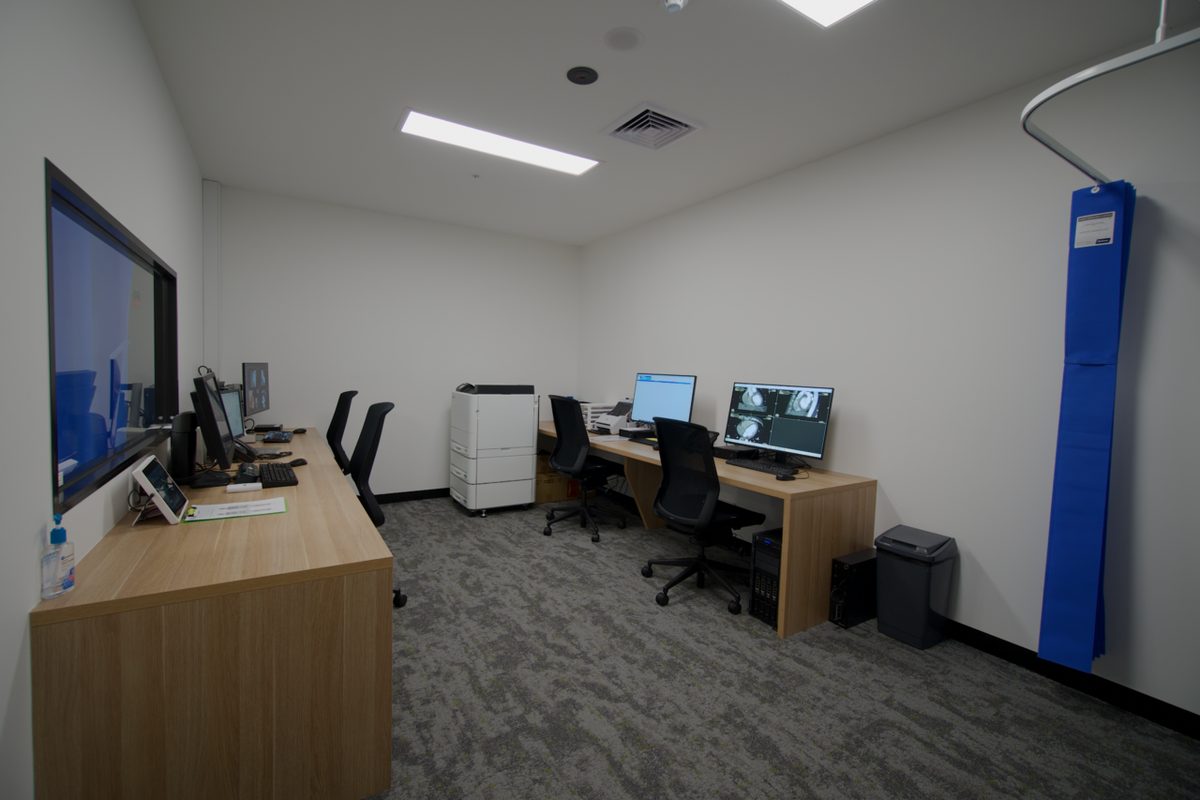
Heart disease remains a leading cause of morbidity and mortality worldwide. Finding coronary artery disease (CAD) early and accurately helps doctors prevent and treat it, which can improve outcomes for patients. CT Coronary Angiography (CTCA) is a non-invasive way for doctors to see the heart's arteries. At Scope Radiology in Clayton, Victoria, we offer CTCA scans that give your doctor a detailed view of the arteries supplying your heart.
What is a CTCA Scan?
A CTCA (CT Coronary Angiography) is a specialised type of CT scan that uses X-rays and an injected contrast dye to produce detailed, three-dimensional images of the coronary arteries, the blood vessels that supply oxygen-rich blood to your heart muscle. This non-invasive procedure allows radiologists to detect and assess the presence, location, and severity of plaque buildup (atherosclerosis) or blockages in these arteries.
How Does a CTCA Scan Work?
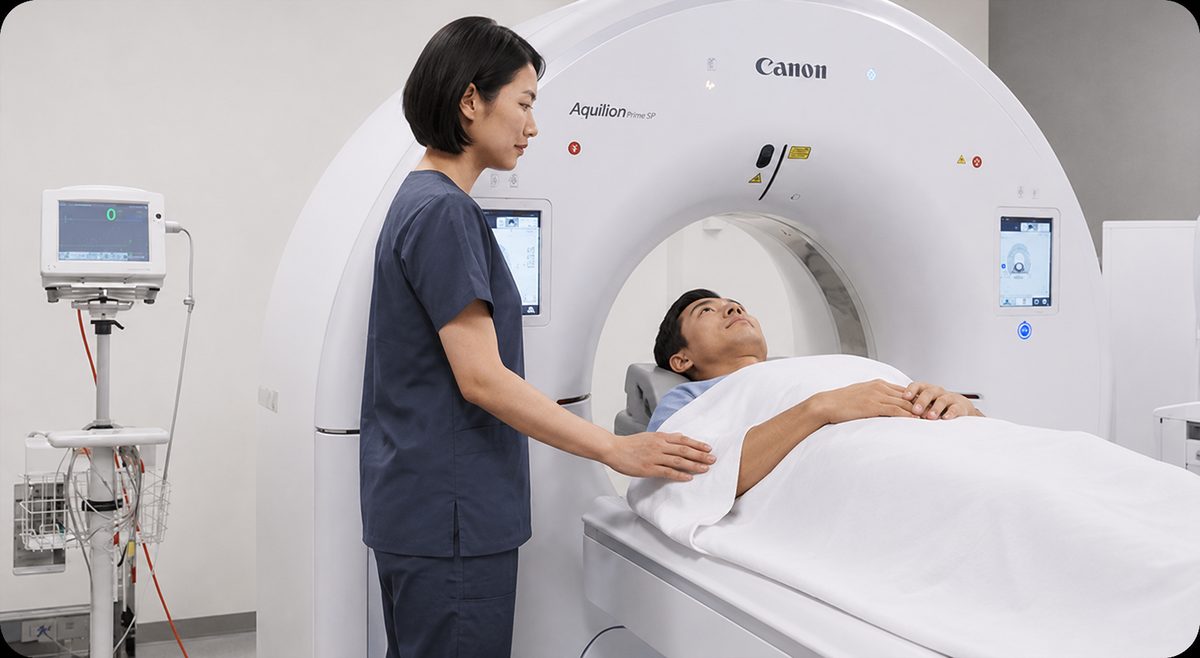
During a CTCA scan, you will lie on a comfortable table that moves through a CT scanner. A contrast dye is injected into a vein, typically in your arm. This dye travels through your bloodstream, highlighting your coronary arteries on the CT images. The CT scanner rapidly acquires multiple images as the dye flows through your heart. To get clear images, your heart rate may be temporarily slowed with medication (e.g., beta-blockers) and you will be asked to hold your breath for short periods.
The images are then processed by a powerful computer to create detailed cross-sectional views and 3D reconstructions of your coronary arteries, allowing our radiologists to examine them carefully for any abnormalities.
Why is CTCA Important for Detecting Heart Conditions?
CTCA offers several significant advantages in the diagnosis and management of heart conditions:
- Non-invasive: Unlike a catheter angiogram, a CTCA does not need a catheter placed in your blood vessels.
- Plaque in the arteries: A CTCA can show whether there is plaque in the coronary arteries and how much it narrows them.
- Ruling out narrowing: A clear scan can show that the arteries are not significantly narrowed, which may mean other tests are not needed. Your doctor will explain what your result means for you.
- Planning care: Your doctor can use the result, with your symptoms and other tests, to plan your care.
Who Might Benefit from a CTCA Scan?
Your doctor may recommend a CTCA scan if you have:
- Atypical Chest Pain: When the cause of chest pain is unclear.
- Intermediate Risk for Coronary Artery Disease: Based on risk factors like high cholesterol, high blood pressure, diabetes, smoking, or family history.
- Unclear Stress Test Results: If other cardiac stress tests are inconclusive.
- New or Worsening Symptoms: Suggestive of coronary artery disease.
- Pre-Operative Assessment: Before certain non-cardiac surgeries in patients with cardiac risk factors.
If you have chest pain or other heart attack warning signs now, call 000.
Preparing for Your CTCA Scan
Preparing properly helps make your CTCA scan accurate. Our team will provide detailed instructions, but generally, you can expect:
- Food and drink: Drink plenty of water in the days before your scan. Don't eat for two hours before your appointment, but water is fine.
- Medications: Take your regular medications unless your doctor tells you otherwise. Do not take erectile dysfunction medication (such as Viagra or Cialis) in the days before your scan. You may be given a beta-blocker to slow your heart rate. Call us if you're unsure of the timing.
- Avoid Stimulants: Avoid all caffeine, such as coffee, tea (including herbal), chocolate, cola and energy drinks, for 24 hours before the scan. Do not smoke for 12 hours before it.
- Exercise: Avoid strenuous exercise on the day.
- Driver: If you can, bring someone to drive you home, as heart-rate medication can make you drowsy.
- Allergies: Tell us about any serious allergies, or if you have ever reacted to contrast dye or iodine.
- Pregnancy: Tell us before your appointment if you are pregnant or think you might be. CTCA uses radiation, which can harm an unborn baby, so we need to know before your scan.
- Referral: Please bring your referral from your GP, cardiologist or specialist. You can book before you have it.
- Cost: With a specialist referral, a CTCA is bulk billed if you meet the Medicare criteria. If you book without a specialist referral, there is an out-of-pocket cost. We confirm the exact cost when you book.
What to Expect During the Procedure
At Scope Radiology Clayton, our team will explain each step of your CTCA:
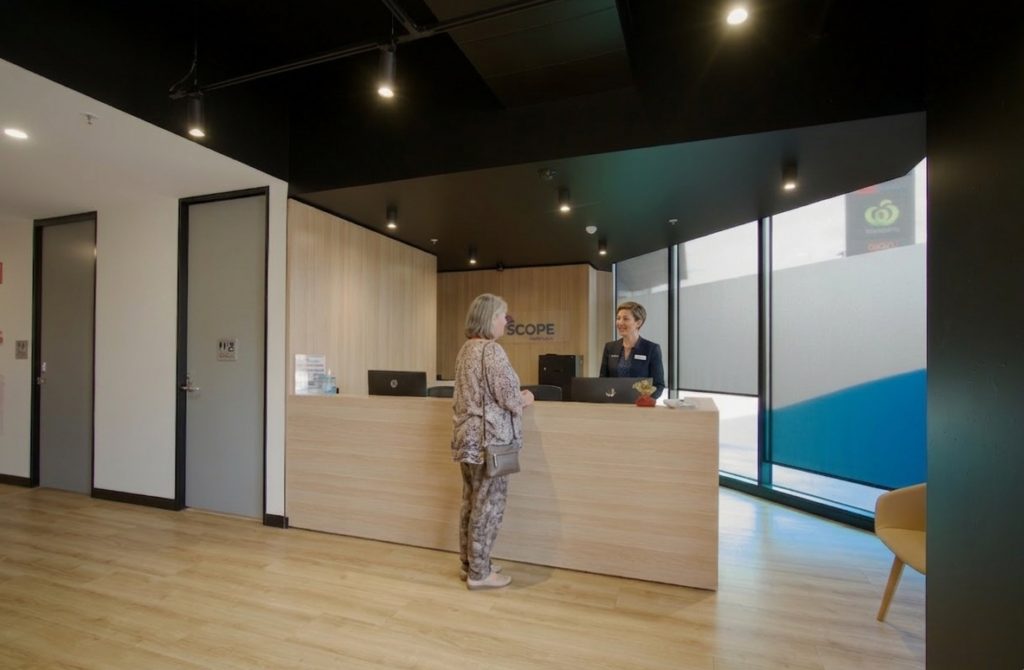
- Check-in & Preparation: You will be greeted by our reception staff. A nurse or radiographer will review your medical history, check your blood pressure and heart rate, and insert an intravenous (IV) line for contrast and potentially heart rate-lowering medication.
- The Scan: You will lie on a CT table. Electrodes will be placed on your chest to monitor your heart rhythm. The contrast dye will be injected, and the scanner will acquire images rapidly. You will be asked to hold your breath for short periods.
- Duration: The scan itself takes about 20 minutes. Allow 2 to 3 hours at the clinic in total, including preparation and a short period of monitoring afterwards.
Your Results
Our radiologist will examine the images carefully. A report is then sent to your referring doctor, usually within 3 to 5 business days. Your doctor will discuss the findings with you and decide the next steps.
This article is general information only. It is not a substitute for individual medical advice. Please speak with your doctor about your own circumstances.
Frequently asked questions

The CTCA scan itself is not painful. You might feel a brief sting when the IV is inserted and a warm sensation when the contrast dye is injected. Some patients may experience a temporary metallic taste in their mouth.
CTCA uses more radiation than a plain X-ray. We use low-dose cardiac CT techniques to keep exposure as small as practical while still getting clear images. Your referring doctor will decide whether the scan is right for you.
You can drink water, but please don't eat for two hours before your appointment. Our staff will give you specific instructions when you book.
A slower heart rate is crucial for clear CTCA images. If your heart rate is too high, medication (like a beta-blocker) may be administered before the scan to temporarily slow it down. This will be discussed with you by our medical staff.
A CTCA gives your doctor detailed pictures of the coronary arteries. Your doctor uses the result with your symptoms and other tests to decide what to do next.