.svg)
.svg)


.png)
.png)
What is a CT scan?
A CT scan, short for computed tomography, is a fast, painless imaging test that uses X-rays and a computer to create detailed pictures of the inside of your body.
Unlike a regular X-ray, which produces a single flat image, a CT scanner spins around you and captures hundreds of pictures in a few seconds. A computer then turns these into clear cross-sectional slices that your doctor can scroll through, layer by layer. It can show bone, soft tissue, blood vessels and organs all in the one scan.
Some scans use a contrast dye, a liquid given through a small needle in your arm, to make blood vessels or specific organs stand out more clearly. The dye leaves your body naturally through your urine over the next day or so.
What a CT scan can help find
Your GP or specialist may refer you for a CT scan to investigate or monitor things like:
- Injuries after a fall or accident, like fractures, internal bleeding, or head injuries.
- Chest symptoms like a persistent cough, chest pain, or suspected blood clots in the lungs.
- Abdominal or pelvic pain such as appendicitis, kidney stones, gallbladder problems, or diverticulitis.
- Back or neck pain when a nerve or bone issue is suspected.
- Cancer, to investigate a new finding, stage a diagnosis, or monitor existing treatment.
- Heart conditions, including the heart's blood vessels (CT coronary angiogram) symptom.s
- Ongoing symptoms that haven't settled after the usual checks.
If you're not sure why you've been referred, give us a call. We can help explain what the scan is looking for and what happens next.

10–30 minutes
On the scanner

About 1 hour
Total time at the clinic

No sedation
Drive yourself home
What to expect on the day
- Check in
Bring your referral and Medicare card. A radiographer goes through what's about to happen and answers any questions you have. - If you need contrast
A small plastic tube called a cannula goes into a vein in your arm. It feels like a regular blood test. - On the scanner
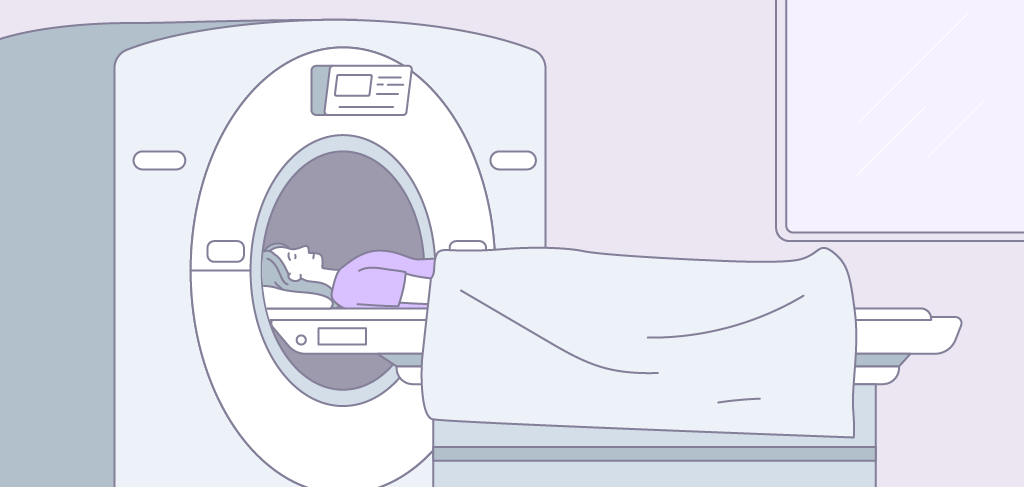
You lie on a padded table that slides through a short, open scanner ring. The opening is wider than an MRI tunnel, which many patients find more comfortable. - During the scan
You stay still and may be asked to hold your breath for five or ten seconds at a time. The radiographer talks to you through the intercom throughout. - You're done
There is no recovery time. You can drive, eat normally and get on with your day. Drink an extra glass or two of water if you had contrast.
Tell us before your scan if you:
- Have kidney problems, or a recent test showing reduced kidney function
- Have diabetes, especially if you take metformin
- Have asthma, thyroid conditions, or any serious allergies
- Have previously reacted to contrast dye or iodine
- Are pregnant, think you might be, or are breastfeeding
These details help us plan your scan safely. Your referring doctor and our radiologist will decide how best to proceed.
What to bring
- Your referral letter from your GP or specialist
- Medicare card, and private health card if you have one
- Any recent scans or imaging reports, including discs
- A recent kidney function blood test, if your doctor asked for one
- A list of your current medications
- Glasses or hearing aids if you use them
What it looks like
A short walkthrough showing the room, the scanner and what happens during a visit.
Cost and results
- What it costs
Many CT scans are bulk-billed through Medicare with a valid referral. Some scans have a gap fee, which we confirm when you book.
Read our billing information - How you'll see results
Your report and images are sent electronically to your referring doctor, usually within 24 to 48 hours.
Access the patient portal
Frequently Asked Questions
How should I prepare for a CT scan?
.png)
For most CT scans you can eat and drink normally. If your scan uses contrast dye, you'll usually be asked to skip food for about four hours beforehand but keep drinking water.
Keep taking your regular medications. If you take metformin for type 2 diabetes, mention it when you book. You may be asked to pause it for 48 hours after a contrast scan.
Wear something loose and comfortable, and avoid clothing with metal zips or underwire if you can.
Will I feel anything during the scan?
The X-ray scan itself doesn't hurt. You won't feel the X-rays.
If you have contrast dye, you may notice a brief warm flush and a metallic taste. Some people get a passing sensation of needing to wee. These effects are common and pass in under a minute.
Is a CT scan the same as a CAT scan?
Yes. CAT, short for computed axial tomography, is the older name for the same test. Both terms describe the same scanner and the same kind of imaging.
Do I need a referral?
Yes. CT scans need a referral from your GP or specialist. Bring the original on the day, or have a photo of it on your phone when you book.
Can I drive home afterwards?
Yes. CT scans don't use sedation, so you can drive, return to work, or carry on with whatever you had planned for the day.
How is it different from an MRI?
CT uses X-rays and takes a few minutes. MRI uses magnets and takes 30 to 60 minutes inside an enclosed tunnel. CT scanners are short and open at both ends, which many people find more comfortable.
What if I'm pregnant?
Tell us before your appointment if you're pregnant or think you might be. Your referring doctor and our radiologist will decide whether a CT is appropriate, or whether an ultrasound or MRI would be more suitable.
Can I bring someone with me?
Yes. A partner, friend or family member is welcome in the waiting area. They cannot enter the scanning room because of the radiation, but they can be with you before and after.
Do CT scans pose any health risks?
CT scans use a small dose of ionising radiation. Your referring doctor will decide whether the diagnostic benefit is appropriate for your situation. Low-dose imaging protocols are used to keep exposure as small as practical.
Ready to book?
.png)
Visit us

Shop TO3, Ground Floor, 2107-2125 Dandenong Road, Clayton VIC 3168
.svg)
1300 101 695
.svg)
9am - 5pm Weekdays
Saturday: By appointment only
Saturday: By appointment only

.svg)

.svg)
.svg)
.svg)