What is a CT calcium score?
A CT calcium score is a low-dose CT scan that measures how much calcium has built up in the walls of the arteries that supply your heart. It is also called a coronary artery calcium (CAC) score.
Calcium in these arteries is a sign of plaque, a fatty build-up that can narrow them over time. Finding it before symptoms appear helps your doctor assess your risk of heart disease and decide whether medication or lifestyle changes would help you.
The scan itself takes only a few minutes. There is no injection, no contrast dye and no medication to slow your heart rate.
Who a calcium score is for
A referral is required. Your GP, cardiologist or specialist may refer you if you have no heart symptoms but have risk factors, such as:
- High cholesterol or high blood pressure
- Diabetes
- A family history of early heart disease
- Being a current or former smoker
- Moderate risk after a Heart Health Check, where your doctor wants information to help decide about medication
It is generally used for people aged 45 to 75 who have no symptoms. If you already have chest pain, breathlessness or a known heart condition, your doctor will usually choose a different test, such as a CT coronary angiogram (CTCA). Your referring doctor will decide which scan is right for you.

A few minutes
On the scanner

About 20 minutes
Total time at the clinic

No sedation
Drive yourself home
What to expect on the day
- Check in
Bring your referral and Medicare card to reception. You may be asked to change into a gown from the waist up. - Heart monitoring pads
We place small adhesive pads on your chest. These help the scanner time each picture to your heartbeat. - On the scanner
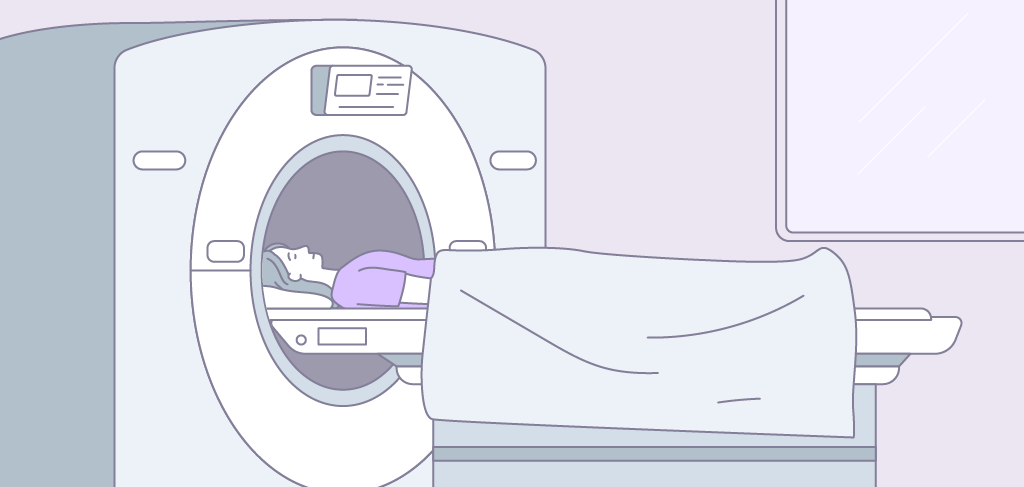
You lie on a padded table that slides through a short, open scanner ring. We will ask you to hold your breath for a few seconds while we take the images. The scan takes only a few minutes. - Straight back to your day
There is no injection and no recovery time, so you can drive yourself home.
Tell us before your scan if you:
- Are pregnant, or think you might be
- Have coronary stents or have had bypass surgery. A calcium score is not usually helpful after these procedures.
- Have had a CT scan of your chest recently
These details help us plan your scan safely. Your referring doctor and our radiologist will decide how to proceed.
Preparation
You can eat and drink as usual, apart from the caffeine advice below. Take your usual medications.
What to wear
Wear comfortable clothing without metal near your chest, and leave necklaces at home. Avoid lotions, perfume or powder on your chest, as they can stop the monitoring pads sticking properly.
Caffeine and smoking
Avoid caffeine and smoking on the day of your scan. A steady heart rate helps us take clear pictures.
What to bring
- Your referral letter from your GP, cardiologist or specialist
- Medicare card, and private health card if you have one
- A list of your current medications
- Any previous heart scans or cardiac reports
What it looks like
An illustration of the room and the scanner.
Cost and results
- What it costs
A calcium score is not covered by Medicare, so there is an out-of-pocket fee. We confirm the exact cost when you book.
Read our billing information - How you'll see results
We send your score and report electronically to your referring doctor, usually within 3 to 5 business days. Your doctor will explain what your score means for you.
Access the patient portal
Frequently Asked Questions
What does my calcium score mean?

A score of 0 means no calcified plaque was found, which points to a low risk of heart disease over the next few years. A higher score means more build-up and a higher risk. The scan shows only plaque that has calcified. Your doctor will look at your score alongside your age, sex and other risk factors, and may compare it with scores from people of the same age and sex. They will explain what your score means for you and whether medication or lifestyle changes would help.
Do I need a referral?
Yes. You need a referral from your GP, cardiologist or specialist. You can book before you have it.
Is a calcium score safe?
The scan uses a low dose of radiation and no contrast dye. Tell us before your scan if you are pregnant or think you might be.
How is a calcium score different from a CTCA?
A calcium score is a short scan with no injection. It measures calcium to estimate your risk when you have no symptoms. A CTCA uses contrast dye, given through a small needle in your arm, to show the arteries in detail, including any narrowing. Your doctor may choose a CTCA if you have symptoms or need a detailed view.
Is it covered by Medicare?
No. There is no Medicare rebate for a calcium score, so the cost is out of pocket. We confirm the exact cost when you book.
How often should it be repeated?
It isn't repeated routinely. If your score is 0, your doctor may consider another scan after about five years, and they'll advise what's right for you.
Ready to book?

Visit us

M-City Shopping Centre, Shop T03, Ground Floor, 2107-2125 Princes Highway, Clayton VIC 3168

1300 101 695

Monday to Friday: 9:00 AM to 5:00 PM
Saturday: By appointment only (select dates)
Saturday: By appointment only (select dates)